November 10, 2026
Demolition services play a crucial role in urban development and renovation projects. Whether you are planning to remove an existing structure or clear a site for new construction, understanding the ins and outs of demolition can help you make informed decisions. This article provides a comprehensive overview of demolition services, covering various aspects to guide your journey through the demolition process. A demolition project involves careful planning, resource allocation, and adherence to standards to ensure it is completed safely and efficiently. By understanding these core components, you can approach any demolition project with the knowledge necessary to achieve your objectives.
Types of Demolition Services
Demolition services are categorized based on the type of structures and the nature of work involved. Residential demolition refers to the removal of homes or other private residences to make way for new housing or development. It is usually straightforward, involving smaller scale operations compared to commercial or industrial demolitions. Commercial demolition encompasses the dismantling of office buildings, malls, and other commercial venues, which often involves larger teams and specialized equipment. Industrial demolition is more complex due to the presence of industrial facilities, which may require special handling procedures for hazardous materials and heavy machinery dismantling.
Interior demolition involves the removal of structures inside a building while preserving the exterior structure intact. This process is often required for renovation or repurposing a space without altering the building's fundamental framework. Selective demolition, on the other hand, focuses on removing specific components of a building, allowing for the reuse or recycling of materials. This type of demolition is awarded sustainably focused as it reduces waste and recycles materials, aligning with environmental preservation goals. According to the EPA, more than 75% of construction and demolition waste is potentially recyclable or reusable, highlighting the importance of selective demolition methods.
Choosing the appropriate demolition service depends on the project's needs and objectives. For residential projects, the focus might be on minimizing disruption in the neighborhood and ensuring the safety of nearby structures. Commercial and industrial projects may prioritize efficiency and speed to reduce operational downtime. Interior and selective demolitions require precision and careful planning to retain the integrity of the remaining structures. Whatever your demolition needs are, understanding these types of demolition services can guide you in selecting the most suitable approach for your project.
Key Considerations Before Demolition
Before embarking on a demolition project, securing the necessary permits and adhering to local regulations is paramount. Different municipalities have varying requirements when it comes to demolition, and failing to comply can result in legal ramifications and project delays. A thorough review of local building codes and zoning laws will provide clarity on what's permissible and necessary for your specific project. Working closely with local authorities and experienced demolition contractors can help in navigating the complex regulatory landscape. Acquiring the right permits not only streamlines the project execution but also ensures compliance with safety and environmental standards.
Environmental concerns are another critical consideration that can't be overlooked in modern demolition projects. Structures often contain hazardous materials like asbestos, lead paint, and other toxic substances that need careful handling and disposal. Conducting thorough environmental assessments can identify these materials, enabling contractors to plan effective removal or neutralization strategies. The potential environmental impact also extends to air and noise pollution controls, which must be managed effectively to minimize disturbances to local communities. Furthermore, from an environmental perspective, the recycling and reusing of demolition waste is vital, as highlighted by the EPA's finding that over 75% of such waste is recyclable.
Cost estimation is a fundamental part of pre-demolition planning that directly influences the feasibility of the project. It involves calculating the total expenses, including labor, equipment, permits, and waste management, among others. Getting accurate quotes from multiple contractors can provide a realistic overview of potential costs involved. Safety protocols are equally important to ensure the welfare of workers and the surrounding public during demolition activities. Incorporating comprehensive safety measures, such as protective gear, site barriers, and emergency response strategies, is essential for minimizing risks and ensuring a safe working environment.
Tools and Equipment Used in Demolition
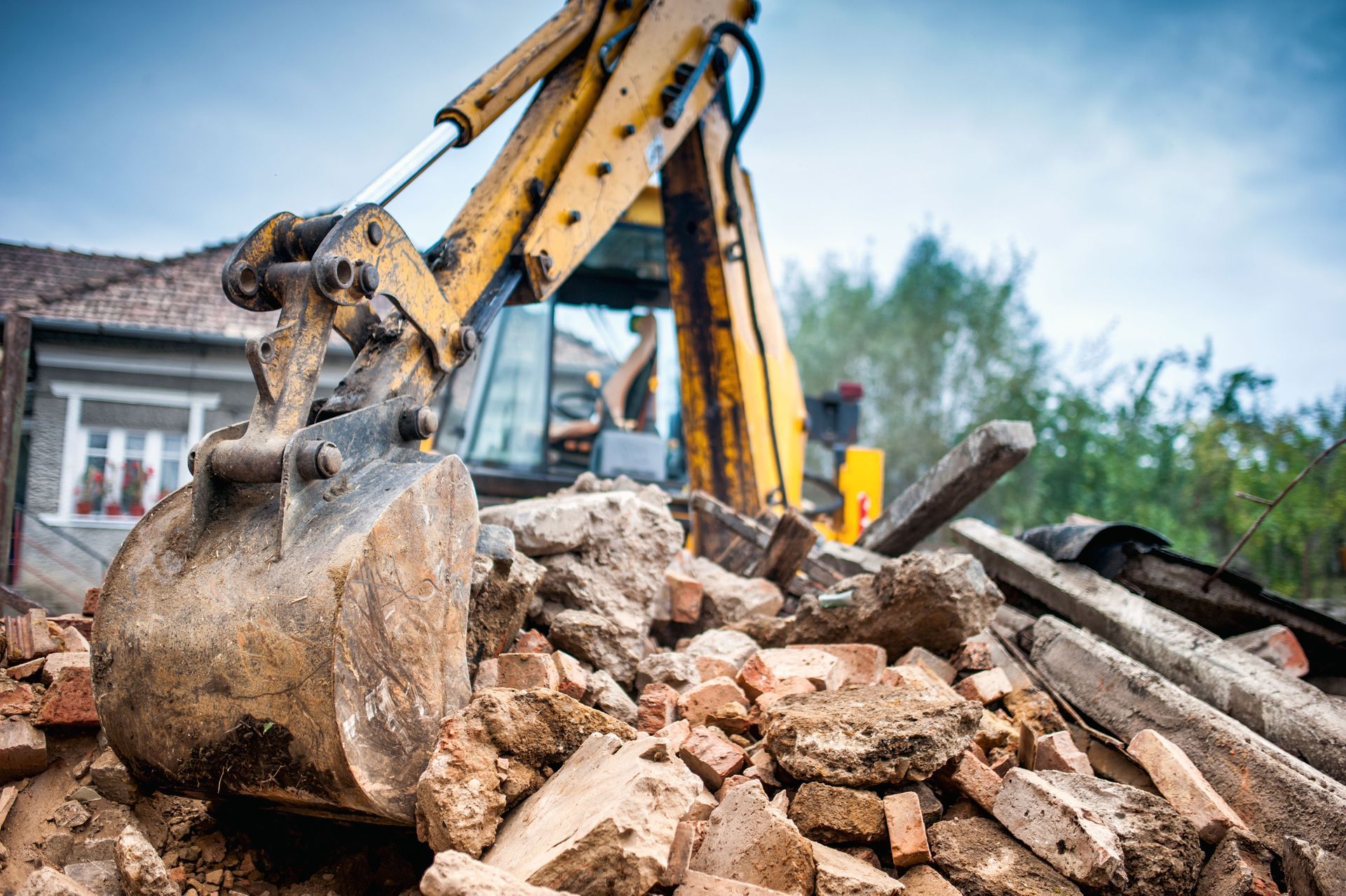
Various tools and equipment are employed in demolition to maximize efficiency and ensure precise execution. Excavators are among the most commonly used machinery, renowned for their versatility and power in handling demolition tasks. They can be equipped with different attachments, such as grapples, shears, and hammers, to perform specific tasks like cutting, crushing, or sorting debris. The flexibility of excavators makes them indispensable for both small-scale residential demolitions and large industrial teardown projects. Their ability to control delicate demolition tasks and tackle heavy-duty materials makes them a staple in the demolition arsenal.
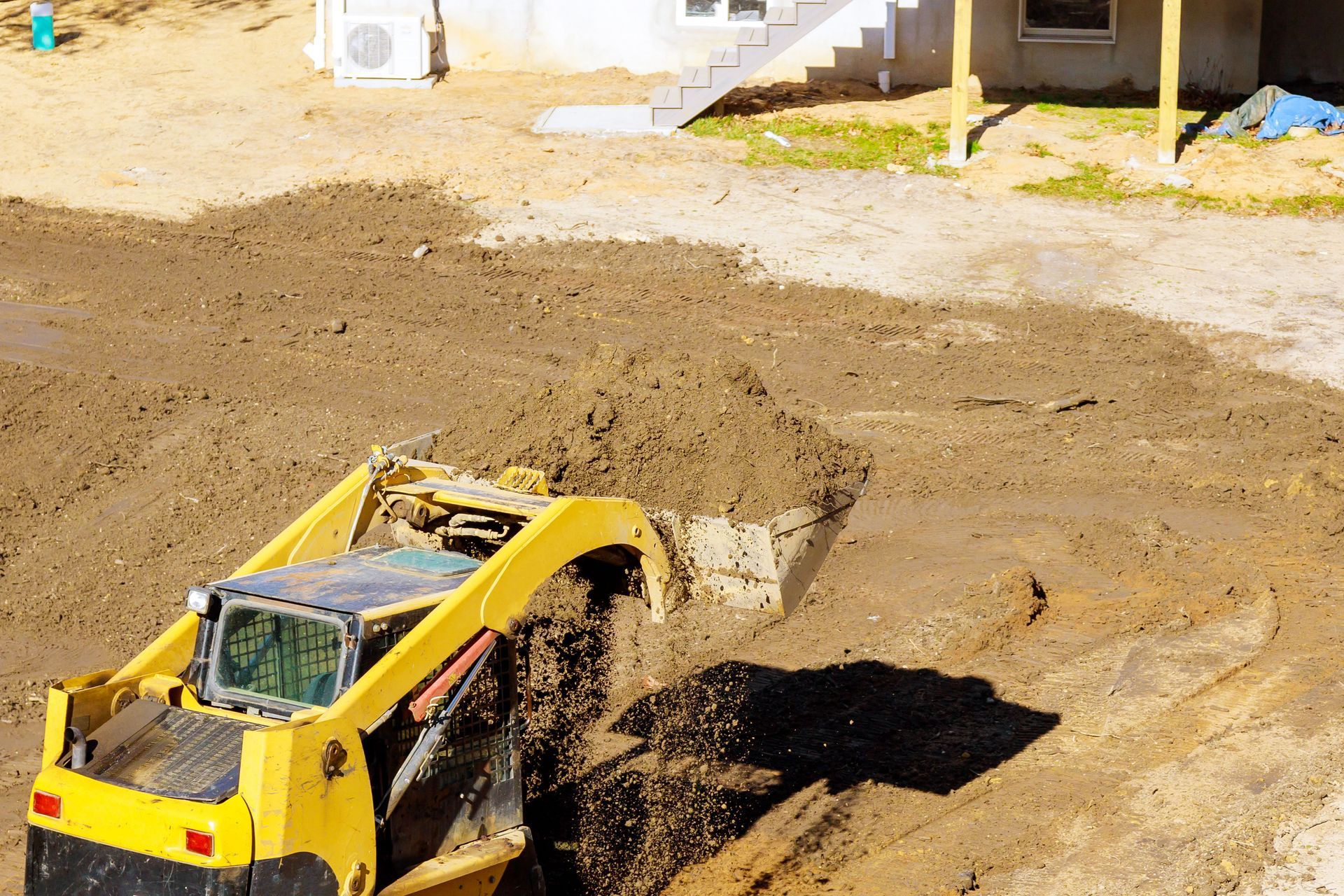
Wrecking balls, once popular in the demolition industry, are now considered somewhat outdated but still used for specific tasks. They are most effective in demolishing large concrete structures, relying on their immense weight and gravity to cause structural collapse. Hydraulic breakers provide a more modern alternative to wrecking balls, offering precision and reduced vibration impact. These powerful tools can easily break through concrete and metal, making them versatile across all types of demolition projects. Skid steers also play a crucial role, particularly when working in tight spaces where larger equipment cannot maneuver.
Explosive demolition tools are employed in cases where rapid structure dismantling is required, often in controlled demolition environments. While highly effective, such methods demand meticulous planning and coordination to ensure safety and minimize impacts on surrounding areas. The decision to use explosives relies on factors like structure size, location, and nearby environments. Expert handling is essential when using explosive tools, requiring skilled professionals with experience in controlled demolition. Each tool and equipment choice heavily influences the strategy and execution of a demolition project, underscoring the need for thoughtful selection based on project requirements.
Steps Involved in the Demolition Process
Any successful demolition begins with comprehensive planning, identifying objectives, and outlining a detailed strategy. This phase involves assessing the structure, determining the presence of hazardous materials, and evaluating the site's surroundings. Planning establishes a roadmap for specialists and workers, allowing them to proceed systematically with the tasks ahead. By laying out a clear plan, contractors can predict potential challenges and devise strategies to counter them. The planning phase is crucial for ensuring the demolition runs smoothly without unnecessary obstacles or interruptions.
Site preparation comes next and involves clearing the area of obstacles, decommissioning utilities, and re-routing necessary infrastructure. The aim here is to establish a safe working environment and minimize the risk of accidents or unforeseen issues during the demolition. Preparing a site may also include setting up fences, barriers, and warning signs to keep unauthorized personnel away. Once the site is secured and prepared, the actual demolition process can commence, following the blueprint laid out during planning. This phase requires careful coordination and supervision to maintain safety and achieve the intended outcome.
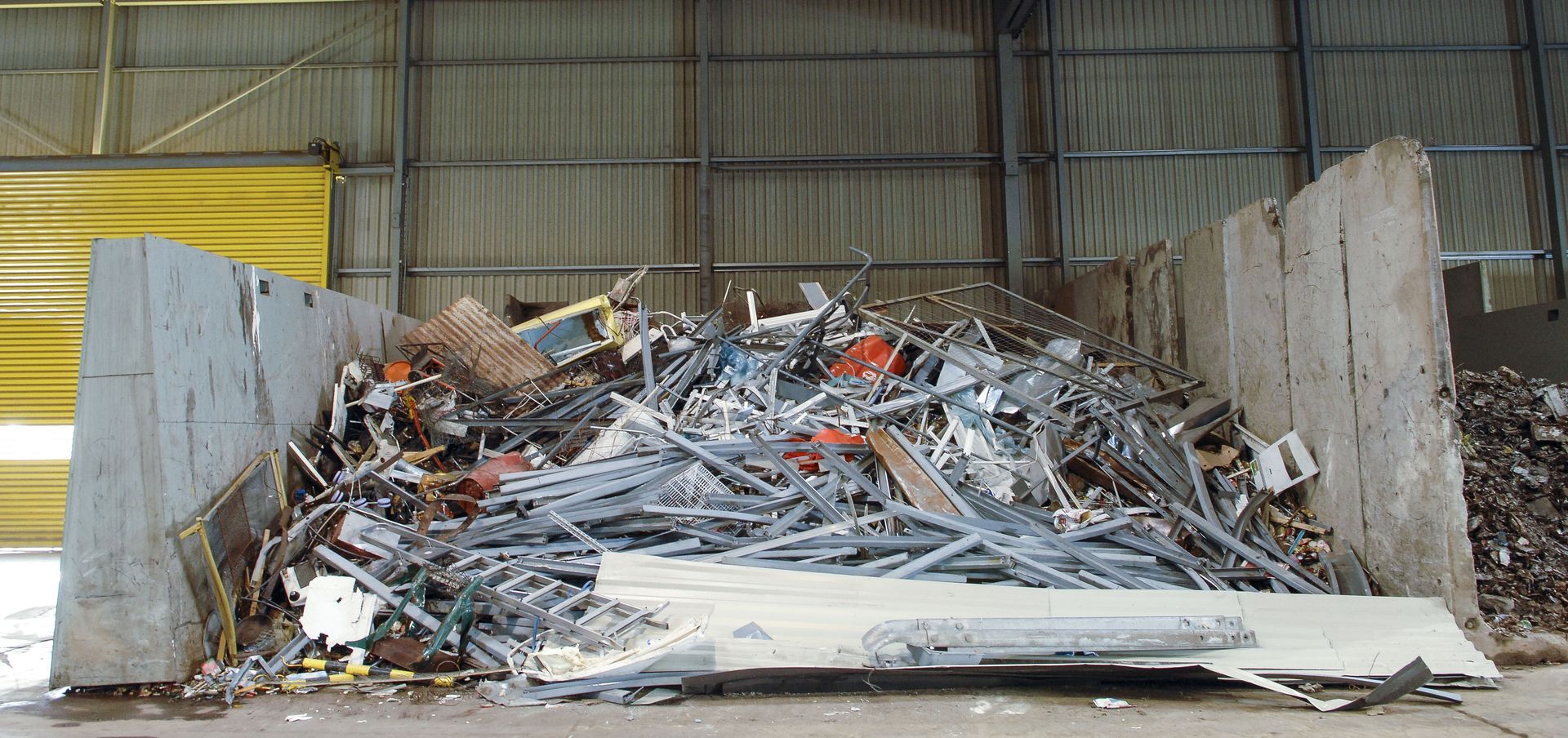
After completing the demolition, debris removal, and cleanup are necessary steps to ensure the area is left in suitable condition for its intended future use. Efficient management of waste and debris is vital for meeting environmental standards and reducing project costs. Post-demolition inspection ensures no structural issues, hazards, or unresolved matters remain on-site. This step involves thorough assessment to confirm all demolition objectives have been met and that the site is ready for its next phase of development. The culmination of the demolition process requires planning and diligence to leave a positive impact and future-ready space.
Understanding the multifaceted nature of demolition services is essential for successful project execution. From recognizing the various types of demolition to choosing the right contractor, every step requires careful consideration and planning. By being informed about the necessary procedures and potential challenges, you can ensure a safe, efficient, and cost-effective demolition process tailored to your specific needs. The integration of environmental considerations and waste management best practices further optimizes outcomes. Ultimately, an informed and well-prepared approach will facilitate the realization of your demolition and construction objectives, setting the stage for future developments. Reach out to River City Demolition today to see how we can help you!